Commercial coating failures rarely happen by accident. In my 20 years of experience managing coating projects for industrial and commercial facilities, I’ve seen the same mistakes repeated over and over, often costing property managers and facility owners tens of thousands of dollars. The most expensive failures almost always stem from preventable missteps: poor surface preparation, choosing the wrong coating system, ignoring environmental conditions, applying coatings improperly, skipping primer, or neglecting routine maintenance. These mistakes not only ruin the appearance of a facility but also accelerate structural deterioration, create safety hazards, and shorten the lifespan of even the highest-quality coating systems.
This guide breaks down the ten most shocking commercial coating mistakes, explains why they happen, and shows how businesses can avoid them through professional planning, testing, and application. If you want your building in Timonium, MD to last, reduce maintenance costs, and maintain a polished appearance, these lessons are critical.
Key Takeaways
Even experienced facility managers sometimes underestimate how delicate and technical commercial coating projects are. Here’s what you need to know:
-
Most commercial coating failures are preventable with proper prep, product selection, and application.
-
Poor surface preparation is the number one cause of premature coating failure.
-
Using the wrong coating system can result in corrosion, peeling, blistering, fading, and voided warranties.
-
Temperature, humidity, and substrate conditions directly impact coating adhesion and long-term durability.
-
Professional, specification-based commercial coating services help reduce long-term repair and maintenance costs.
Why Commercial Coating Matters More Than Most Businesses Realize

Long-Term Asset Protection
The most important function of a commercial coating system is to protect the building itself. Coatings shield concrete, steel, and masonry from corrosion, weather damage, UV exposure, and chemical spills. Properly applied coatings slow the deterioration of structural materials, reducing the frequency of costly repairs. For example, a warehouse floor coated with a durable epoxy system can last more than 15 years with proper maintenance, while an improperly coated floor may fail in five. The difference in lifecycle cost is staggering, making professional commercial coating a strategic investment rather than a cosmetic choice.
Branding and Visual Appeal
For retail, hospitality, or office buildings, appearance is critical. Faded, peeling, or uneven coatings negatively affect customer perception and can even reduce leasing value. On the flip side, a building with well-maintained coatings signals professionalism, attention to detail, and pride in your facilities. From my years on-site in Timonium, MD, I can say that well-executed coatings often influence first impressions as much as the building’s architecture itself.
Compliance & Safety
Commercial coatings also play a vital role in compliance and safety. Anti-slip coatings reduce slip hazards in high-traffic areas, fire-resistant coatings meet regulatory requirements, and protective coatings ensure industrial floors withstand chemical and mechanical exposure. Skimping on the right products or application processes doesn’t just risk aesthetics—it can violate OSHA standards, local fire codes, or other regulatory requirements, exposing the property owner to liability.
The 10 Shocking Commercial Coating Mistakes That Cost Businesses Thousands
Mistake #1: Skipping or Rushing Surface Preparation
Surface preparation is the foundation of any successful coating project. I’ve walked into warehouses where floors and metal structures looked clean but were coated with dust, grease, or residual rust beneath.
Adhesion science tells us that coatings bond only to what they stick to. Neglecting to remove contaminants, profile the surface, or test for moisture often leads to peeling, blistering, bubbling, and delamination.
Professional prep includes sandblasting, power washing, chemical etching, and moisture testing to ensure the substrate is ready to receive the coating. Skipping these steps is like trying to paint over dirt—it may look okay at first, but it won’t last.
Mistake #2: Using the Wrong Coating System for the Substrate
Every substrate behaves differently. Concrete, metal, masonry, and drywall expand, contract, and react to moisture and chemicals in unique ways. Using a coating system designed for interior walls on a metal floor or high-traffic area is a recipe for failure. I always start by reviewing manufacturer data sheets, performing on-site substrate analysis, and sometimes conducting lab tests to ensure the right system is selected.
The right coating for a humid industrial floor will differ from a coating for structural steel exposed to the elements. Each project has its own chemistry, which explains why different contractors often recommend different products.
Mistake #3: Ignoring Environmental Conditions During Application
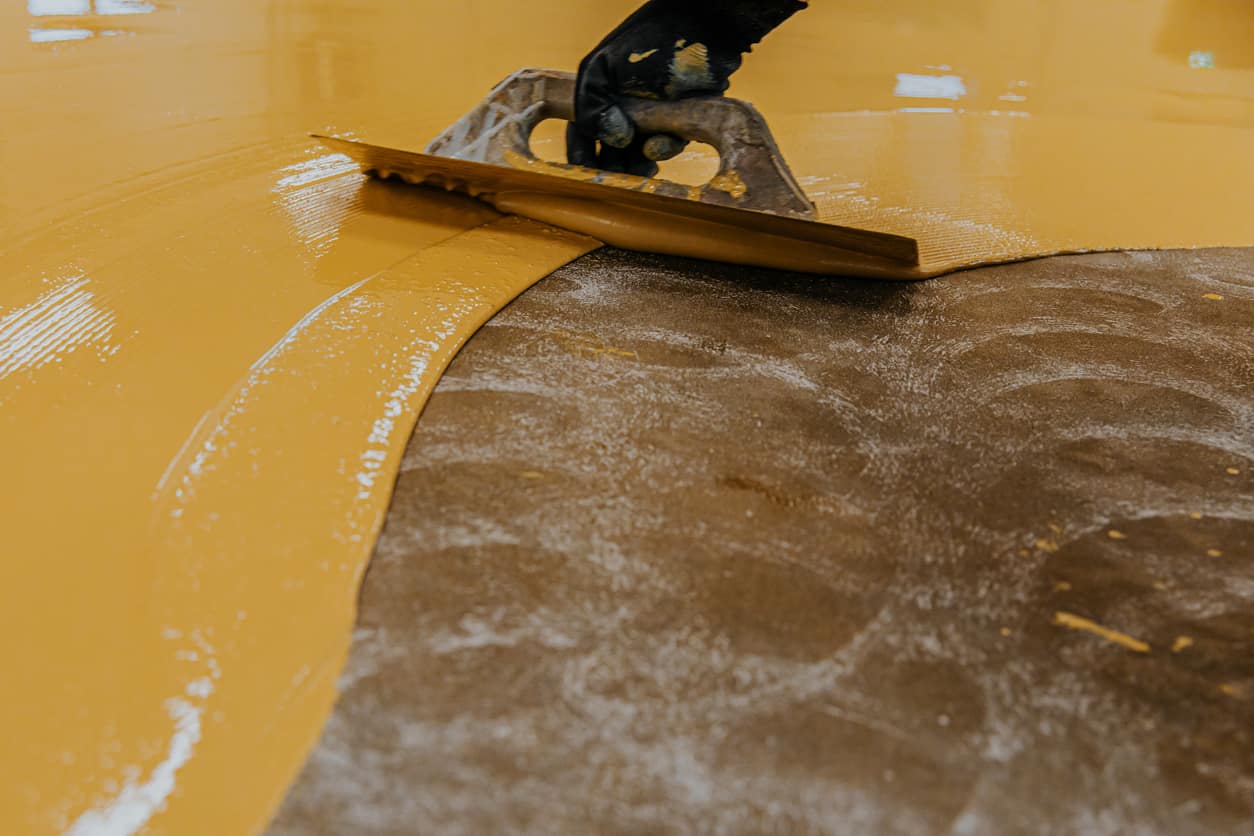
Temperature, humidity, dew point, and substrate moisture directly influence how coatings cure and perform. Apply epoxy during high humidity without controlling conditions, and you risk blushing, cratering, or a soft film that never hardens properly. On metal surfaces, improper conditions can trap solvents and cause adhesion failure.
At DN Contracting, we monitor environmental factors carefully, adjust cure agents as needed, and schedule work during optimal windows. Applying coatings “just because it’s dry” is a shortcut that guarantees problems later.
Mistake #4: Applying Coatings Too Thick or Too Thin
Proper thickness is critical. Wet film thickness versus dry film thickness (DFT) determines abrasion resistance, UV protection, and chemical durability.
Too thin, and the coating cannot protect the substrate. Too thick, and it can sag, crack, or trap solvents that cause bubbling. In industrial settings,
I use mil gauges, follow manufacturer specs, and schedule multi-coat applications to ensure precise coverage. More paint does not equal better protection—it’s all about consistency and precision.
Mistake #5: Neglecting to Repair Substrate Damage Before Coating
Coatings are protective, not restorative. Applying a coating over rusted metal, spalled concrete, or mold-infected surfaces is a recipe for disaster. Moisture trapped beneath a coating can bubble up, peeling the protective layer away and accelerating structural deterioration. In every project, I ensure cracks are repaired, rust is removed or treated with rust converters, and concrete surfaces are stabilized. Skipping this step creates hidden problems that inevitably become costly repairs.
Mistake #6: Using Low-Quality or Incompatible Products
Not all coatings are created equal. Residential paints may look fine on walls, but they fail in commercial or industrial environments where chemical exposure, traffic, and UV stress are higher.
Low-quality or incompatible products fade, peel, or delaminate. Professional-grade coatings are engineered to withstand these conditions and are tested according to strict standards. Using system-based products ensures that primers, intermediates, and topcoats work together, eliminating premature failures.
Mistake #7: Inadequate Primer Use or No Primer at All
Primer is essential for adhesion, corrosion resistance, and substrate sealing. Skipping it or applying an incorrect primer almost guarantees early failure. On metal structures, we use self-etching primers; for concrete, moisture-tolerant epoxy primers; and in some high-performance industrial projects, specialty primers matched to the topcoat system.
Even the best commercial coating cannot bond properly without the right primer foundation.
Mistake #8: Poor Application Technique
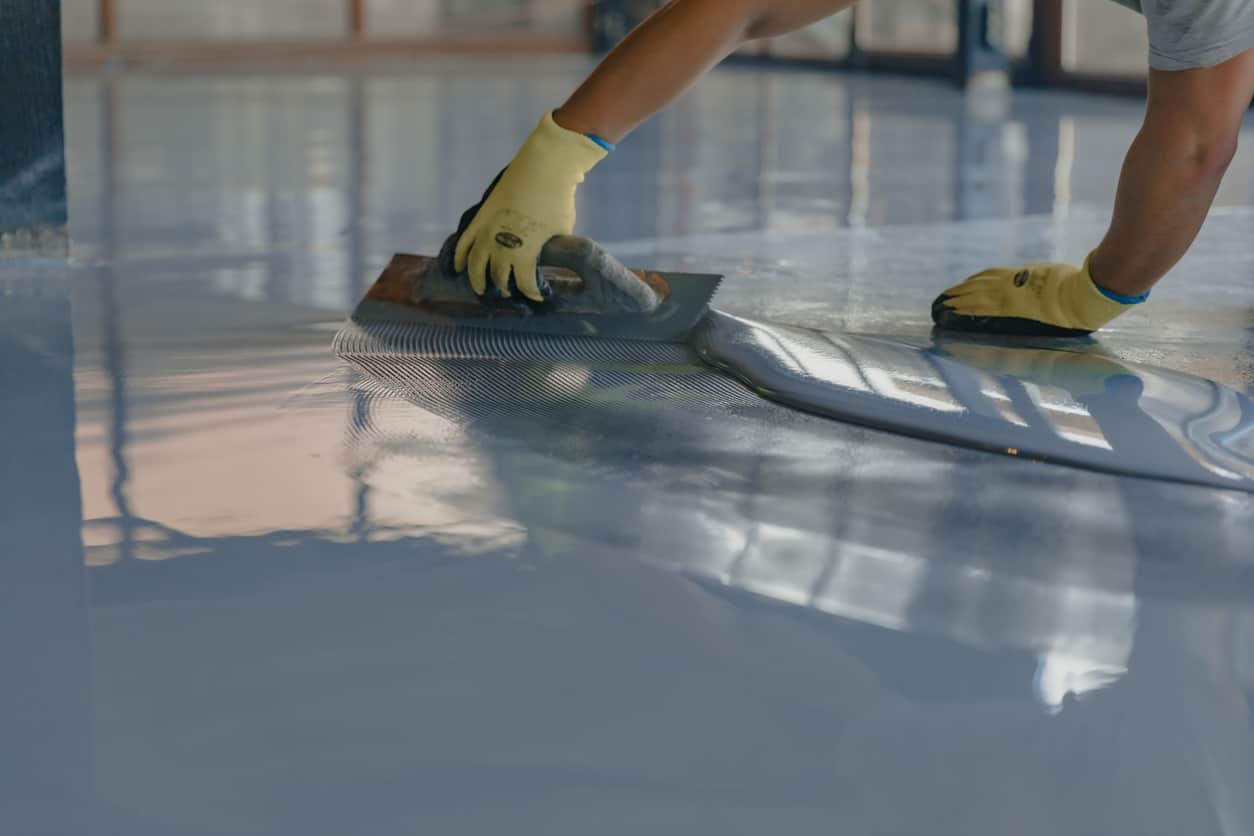
Application technique is critical. Inconsistent spray distance, improper rolling, or failure to cross-hatch results in orange peel, lap lines, or weak adhesion.
I train applicators to use industrial-grade spray rigs, maintain consistent speed, and work in controlled environments to ensure every layer cures properly and evenly. Precision is the difference between a coating that lasts 20 years and one that fails in 3.
Mistake #9: Not Following Manufacturer Cure Times
Curing is the step that converts liquid coatings into durable, protective films. Prematurely walking on or exposing the coating to chemicals can scuff, gouge, or even cause peeling. Each system has specific cure times based on environmental conditions.
At DN Contracting, we use cure charts and staged re-opening schedules to ensure coatings reach full hardness before exposure. Ignoring this step negates all the prep and application work you’ve done.
Mistake #10: Skipping Routine Maintenance After Coating Installation
Even the best coatings wear over time. Traffic, chemical exposure, and UV radiation gradually degrade protective layers. Skipping routine inspections allows minor imperfections to develop into major failures. I recommend annual inspections, cleaning, spot repairs, and planned recoat cycles. Maintenance keeps coatings performing optimally, extends lifespan, and prevents hidden structural damage.
How to Avoid These Costly Mistakes: What Professionals Do Differently
Professional contractors begin each project with thorough assessments, including moisture testing, adhesion pull tests, and rust evaluation. They develop a specification-based plan that matches the coating system to the substrate, environment, and intended lifespan.
Certified applicators (NACE-trained or industrial coating specialists) ensure every step is executed correctly. Documentation—photos, daily reports, and project tracking—protects the client and guarantees quality. For facilities in Timonium, MD, services like commercial coating and intumescent coatings ensure compliance, longevity, and maximum ROI.
How Much Money Businesses Save by Avoiding These Mistakes
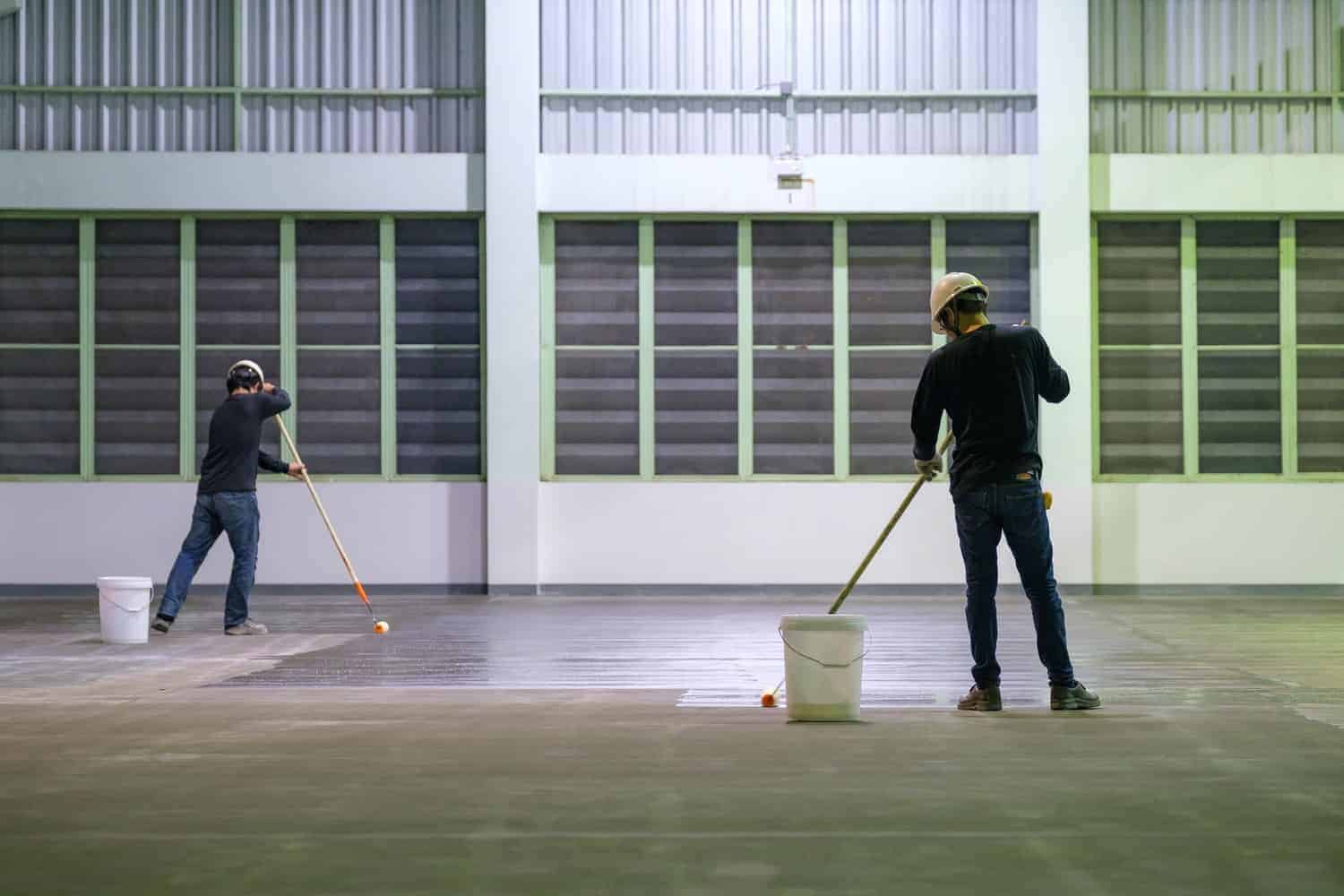
The financial impact of doing it right versus doing it wrong is dramatic. Recoating a warehouse floor incorrectly can cost three to five times more than proper first-time application. Rust remediation and concrete repair after coating failure require extensive labor and materials. Operational downtime adds to the cost.
By investing in professional commercial coating, businesses extend the life of their protective layers from 5–10 years to 12–20 years, reduce maintenance frequency, and preserve both safety and aesthetic appeal.
The Smartest Way Businesses Can Protect Their Investment
Commercial coating isn’t just about aesthetics—it’s about protecting your building, extending service life, and controlling long-term costs. Mistakes like skipping prep, choosing the wrong system, ignoring environmental conditions, improper application, or failing to maintain the coating can quickly become expensive problems.
Partnering with experienced professionals ensures proper planning, specification-based product selection, and flawless application. Facilities in Timonium, MD that follow these principles enjoy durable, compliant, and visually appealing commercial coating systems that protect both structure and investment for years to come. For detailed information on regulatory compliance, see VOC standards for coatings.