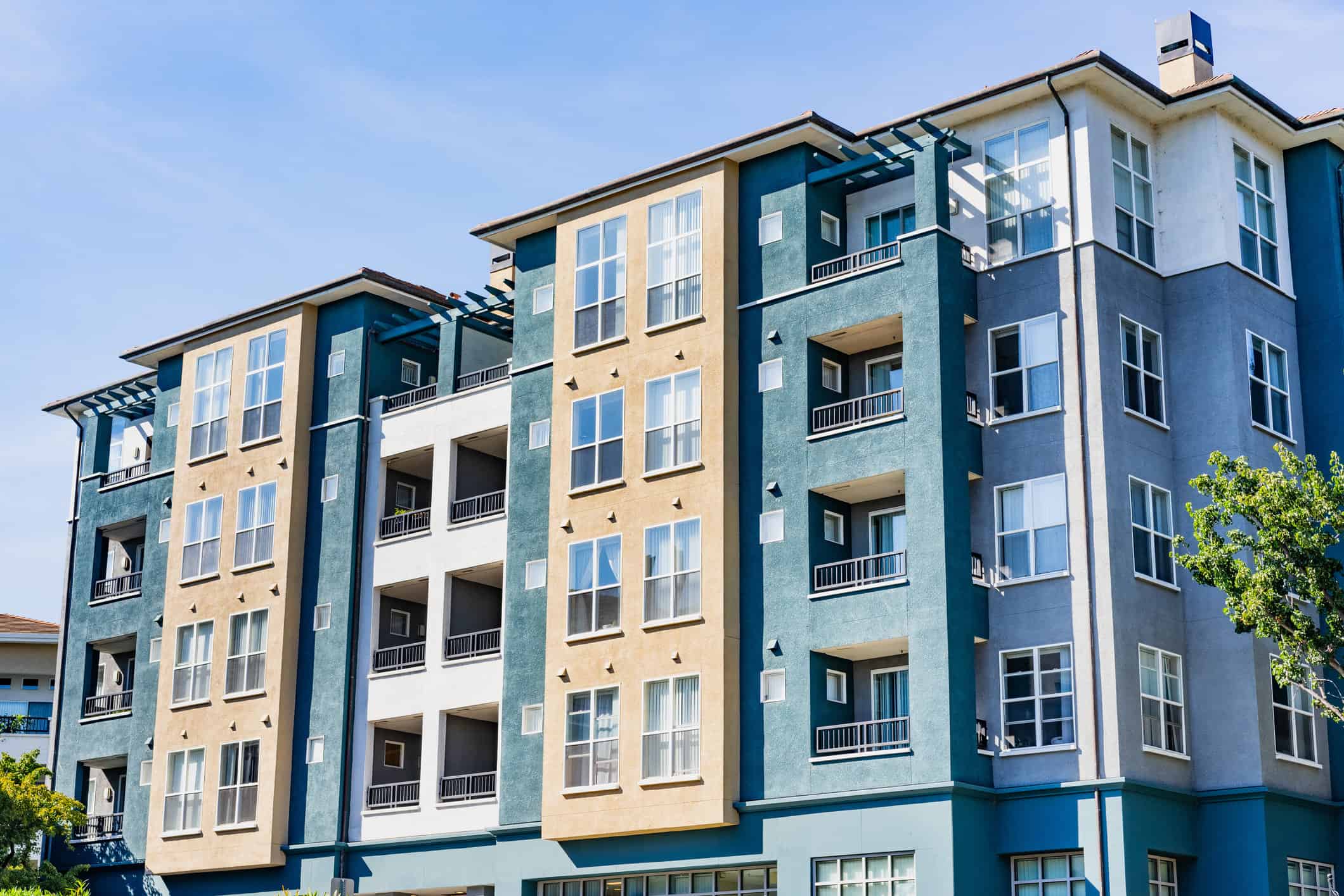
Your building speaks to people before you ever do. A faded storefront or a peeling door frame sends a quiet message, and exterior paint deterioration is often the first thing a customer notices when they pull into an Aberdeen parking lot. Most owners catch the problem late, after small wear has grown into real repair work. That gap is where commercial property repainting earns its keep, not as a cosmetic touch-up, but as a way to protect the money already sunk into your building.
Paint is the outer shell that takes the daily hit from sun, rain, and Maryland’s freeze-and-thaw winters. When that shell breaks down, the wood, metal, and masonry underneath start to go too. The good part is that the warning signs show up early. They are easy to read once you know what you are looking at.

Why Exterior Paint Deterioration Costs More Than You Think
Here is the part that owners tend to miss. Worn paint is not just an eyesore. It is a clock counting down on the surfaces it protects.
Once the coating fails, water finds its way into siding, trim, and brick. Then you are paying for carpentry and masonry repair on top of paint. The Building Owners and Managers Association reports that repairs and maintenance account for about 12% of a building’s operating costs, and preventive work is only a small slice of that. Skipping the small slice almost always means paying for the large one later. Reactive fixes also cost more, with ASHRAE research indicating emergency repairs are three to five times the price of scheduled work.
So the math is simple. A little attention now keeps you out of a much bigger bill down the road. Treating commercial property repainting as planned upkeep, rather than crisis cleanup, is what stops exterior paint deterioration from quietly draining your budget.
7 Signs It’s Time for Commercial Property Repainting
Walk your property and look for these seven signs. Each one tells you something different about how far the wear has gone.
Here is what each sign is telling you:
- 1
Chalking. Rub your hand on a sunny exterior wall. If it comes away with a chalky residue, the paint binder is breaking down. The ASTM D4214 standard treats chalking as a measured sign of weathering, caused by UV light, moisture, and oxygen wearing through the coating. Light chalking is normal. Heavy chalking means protection is nearly gone.
- 2Fading and uneven color. UV rays break down pigment over time. Walls that face south and west fade first, since they take the most sun. When one side of your building looks washed out next to the others, the coating has lost both color and strength.
- 3Cracking and flaking. Maryland winters push paint through repeated freezing and thawing. The film expands and contracts until it loses flexibility and splits. Hairline cracks turn into flaking, and flaking opens the door for water.
- 4Peeling and blistering. Peeling sheets and raised bubbles mean moisture is already getting behind the coating. This one is urgent. Once the bond breaks, the surface underneath has no shield at all.
- 5Rust on metal. Check railings, door frames, downspouts, and any exposed steel. Orange staining or bubbling under the paint signals corrosion. Rust spreads on its own, so a small spot today becomes a structural worry tomorrow.
- 6Stains, mildew, or white deposits on masonry. Dark streaks and mildew point to trapped moisture. White, crusty patches on brick or block are called efflorescence, a sign that water is moving through the masonry. Both mean the surface needs cleaning and a fresh protective coat.
- 7Failed caulk and open seams. Look at the joints around windows, doors, and panel edges. Cracked or missing caulk lets water slip behind the wall. These small gaps are some of the most common entry points for the damage that drives full repainting later.
What’s Really at Stake for Aberdeen Owners
The stress of a worn building is not only about looks, though looks matter to tenants and customers. It is the nagging feeling that you are reacting instead of staying ahead. It is the surprise quote that lands when a small problem finally forces your hand.
Aberdeen sits in a tough spot for coatings. Hot, humid summers, freezing winters, and moisture off the Chesapeake all work on your exterior at once. Left alone, the signs above lead to wood rot, rusted metal, stained masonry, and tenants who notice the slide. A neglected building can also pull down its own value, since buyers and appraisers read deferred upkeep as risk.
You do not have to run your property that way. The signs of exterior paint deterioration are readable, and the fix is plannable. Scheduled commercial property repainting turns a stressful guessing game into a routine line item.
How to Handle Repainting the Smart Way
You are the one who calls the shots on your building. A good painting contractor simply brings the trained eye and the plan. Here is a clear path for commercial property repainting that keeps you in control.