If you think a commercial painting shift is just about rolling color onto walls, think again. The reality is far more demanding, technical, and time-sensitive than most people realize. A busy commercial painting shift involves intense prep work, rigorous safety requirements, specialized coatings, unpredictable schedules, and hidden costs that can emerge mid-project.
These five “shocking” facts explain why professional commercial painters are indispensable for business owners and facility managers. Each one highlights the behind-the-scenes work that makes a commercial paint job successful — and why cutting corners is never an option.
Key Takeaways
-
Up to 70% of a shift may be spent preparing surfaces, not painting.
-
OSHA safety standards often double the time required before work begins.
-
Specialized commercial paints like epoxies, elastomerics, and antimicrobial coatings dominate large-scale projects.
-
Overnight and weekend shifts are common to minimize business disruptions.
-
Hidden costs — from water damage to asbestos — can surface mid-shift.
Shocking Fact #1 – Most of the Shift Isn’t Spent Painting

It surprises many property managers to learn that painting is the shortest phase of a commercial project. In fact, more than 70% of the shift may be consumed by prep work.
Why Prep Dominates Time
Surface preparation is the foundation of durability. A wall or ceiling that isn’t properly cleaned, sanded, primed, or repaired won’t hold paint for long — and failures can appear within months.
Examples:
-
Steel beams require rust removal and epoxy primers before a single coat of paint can be applied.
-
Concrete walls often need sealers to stop efflorescence and moisture intrusion.
-
Drywall repairs must cure, sand, and prime before paint bonds correctly.
Products That Make Prep Possible
-
Epoxy fillers: Repair structural cracks in concrete.
-
Concrete sealers: Prevent water migration and surface spalling.
-
Industrial primers: Increase adhesion on metal, masonry, or previously coated substrates.
Skipping or rushing these steps is one of the fastest ways to waste money on a commercial paint job.
Shocking Fact #2 – Safety Prep Takes as Long as Paint Prep
A busy commercial painting shift isn’t just about walls and ceilings. Safety is paramount. OSHA regulations require contractors to implement strict protocols before work begins, sometimes taking as much time as surface prep.
Safety Requirements That Add Hours
-
Harnesses and fall protection for elevated work.
-
Scaffolding and boom lift inspections before use.
-
Respirators and ventilation systems for enclosed or chemical-heavy jobs.
-
Containment barriers to prevent dust, paint fumes, or lead particles from migrating.
Service-Specific Example
On multi-story projects in Annapolis, MD, painters often spend the first 2–3 hours of a shift just securing scaffolds, setting up ventilation fans, and running safety checks before opening a single can of commercial paint.
Typical Safety Prep Steps vs. Time Required
| Safety Task | Average Time Performed | Purpose |
|---|---|---|
| Scaffolding setup & inspection | 1–2 hours | Worker stability & OSHA compliance |
| PPE distribution & checks | 30–45 minutes | Respiratory and chemical protection |
| Ventilation system setup | 1 hour | Fume control in enclosed spaces |
| Containment barrier installation | 1–2 hours | Protects nearby tenants and surfaces |
Safety prep doesn’t just protect workers. It safeguards tenants, visitors, and business continuity.
Shocking Fact #3 – Specialized Paint Products Dominate Commercial Jobs
Unlike residential projects, where latex or acrylic paints dominate, commercial painting shifts rely on highly engineered coatings. These products are designed for extreme durability, hygiene, or safety.
Common Commercial Paint Types
-
Epoxies: Used on floors, steel, and high-abuse areas.
-
Elastomeric coatings: Flexible membranes that bridge hairline cracks on masonry.
-
Antimicrobial paints: Prevent bacterial growth in healthcare and food-service settings.
-
Intumescent fireproof coatings: Expand under heat to protect structural steel.
Why They’re Essential
These paints are specified by architects, facility engineers, or building codes — and misapplication can cause catastrophic failures. For example, applying the wrong thickness of intumescent paint may void fire safety compliance.
Professional painters partner with manufacturers like Sherwin-Williams, PPG, and Benjamin Moore to obtain product spec sheets, warranty documentation, and technical support.
Residential Paint vs. Commercial Paint Comparison
| Category | Residential Paint | Commercial Paint |
|---|---|---|
| Durability | 3–7 years | 7–15 years |
| Specialized Additives | Minimal | Antimicrobial, fireproof, flexible membranes |
| Application Tools | Brushes, rollers | Airless sprayers, plural-component rigs |
| Failure Risk | Aesthetic (peeling, fading) | Structural (fireproofing, hygiene, moisture) |
This is why home paints cannot be substituted for commercial projects.
Shocking Fact #4 – Scheduling Pressure Can Dictate Everything
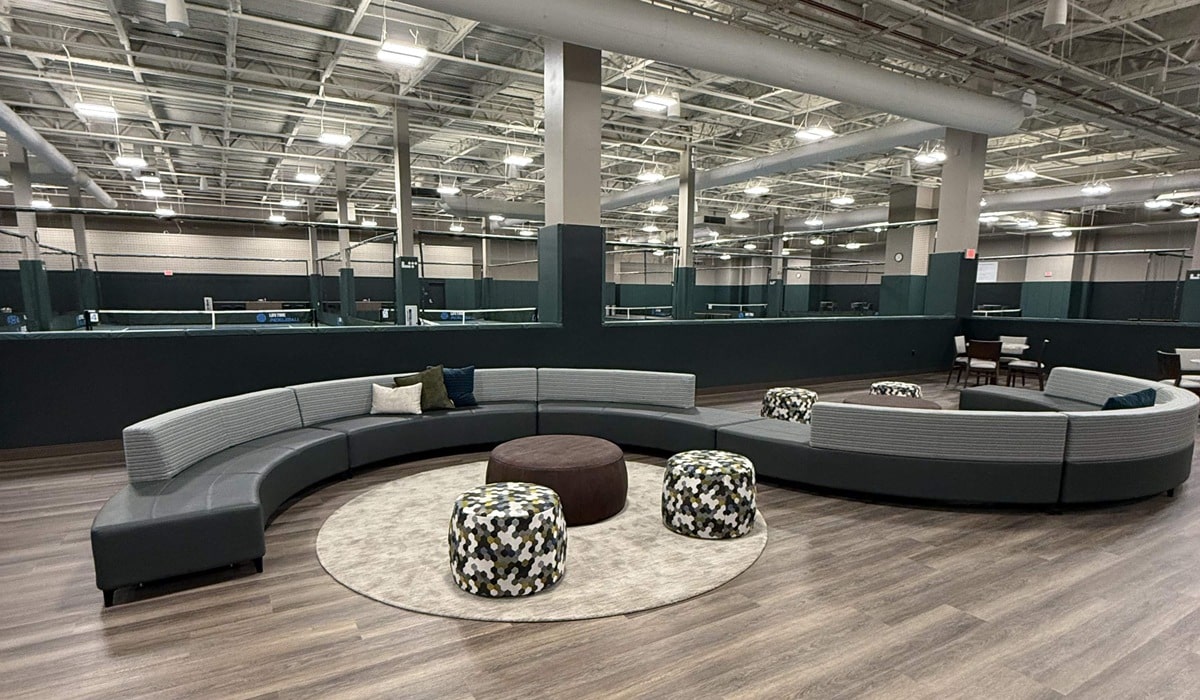
Commercial painters often work when most people are asleep. Why? Because businesses can’t afford downtime.
Common Scheduling Challenges
-
Hospitals require after-hours shifts to avoid disturbing patient care.
-
Retailers need painting completed overnight so stores can open at 9 a.m. sharp.
-
Corporate offices push for weekend schedules to avoid disrupting weekday operations.
Service-Specific Example
In Annapolis, MD, crews frequently start painting at 10 p.m. and wrap up by sunrise. Project managers use digital scheduling tools and rotating crews to keep progress steady without burning out workers.
The pressure is immense — not only must coatings cure on time, but crews must also reset spaces so tenants never notice the work happened overnight.
Shocking Fact #5 – Hidden Costs Appear During the Shift
Even the most detailed proposal can’t account for everything. Mid-shift, commercial painters often uncover issues that weren’t visible during inspection.
Common Hidden Issues
-
Water damage behind drywall.
-
Mold growth in humid basements.
-
Asbestos-containing materials in older Annapolis properties.
-
Failing substrates requiring repair before painting.
Product & Service Solutions
-
Mold-resistant paints or encapsulants.
-
Moisture sealers for damp concrete.
-
Asbestos-safe containment and certified abatement partners.
These discoveries often lead to change orders, extended labor, and new materials. A transparent contractor will issue daily reports, budget updates, and insurance-backed compliance to keep surprises manageable.
How Professionals Manage a Busy Shift Successfully
Despite the challenges, experienced contractors keep projects running smoothly.
Workflow Steps
-
Prep: Cleaning, repairs, priming.
-
Safety setup: PPE, scaffolding, ventilation.
-
Painting: Application with sprayers, rollers, or brushes.
-
Cleanup: Removal of containment, waste disposal, tenant readiness.
Why It Works
Professional crews invest in:
-
Ongoing training and OSHA certifications.
-
Advanced equipment like airless sprayers and HEPA vacuums.
-
Partnerships with major suppliers for commercial-grade paints.
-
Warranty-backed applications and final quality inspections.
That’s how they deliver durable, compliant, and visually appealing results — even under tight schedules.
Lessons for Property Owners & Managers
For facility directors and business owners, the big takeaway is this: commercial painting shifts are longer, more complex, and more unpredictable than residential projects.
What to expect:
-
Prep and safety may double your timeline.
-
Budgets need contingency allowances for hidden conditions.
-
Maintenance painting programs prevent costly surprises.
If you’re in Annapolis, MD, and want to understand how long your next job will last, check out our guide on Maximize the Lifespan of Commercial Interior Paint.
People Also Asked
What makes a commercial painting shift so challenging?
Prep, safety, specialized coatings, and scheduling pressures all combine to make commercial painting more complex than residential projects.
Why does prep take longer than painting itself?
Because surfaces need to be structurally sound, moisture-sealed, and primed before coatings can adhere properly.
What safety steps do commercial painters follow?
Scaffolding, harnesses, respirators, ventilation, and OSHA-mandated containment barriers.
What types of paint are used in commercial spaces?
Epoxies, elastomerics, antimicrobial paints, and intumescent fireproof coatings.
Why are commercial painting jobs often done at night?
To minimize disruption for hospitals, retailers, and office tenants.
How can property managers avoid hidden painting costs?
Work with contractors who provide thorough inspections, transparent reporting, and maintenance painting programs.
Reality Behind a “Simple” Paint Project
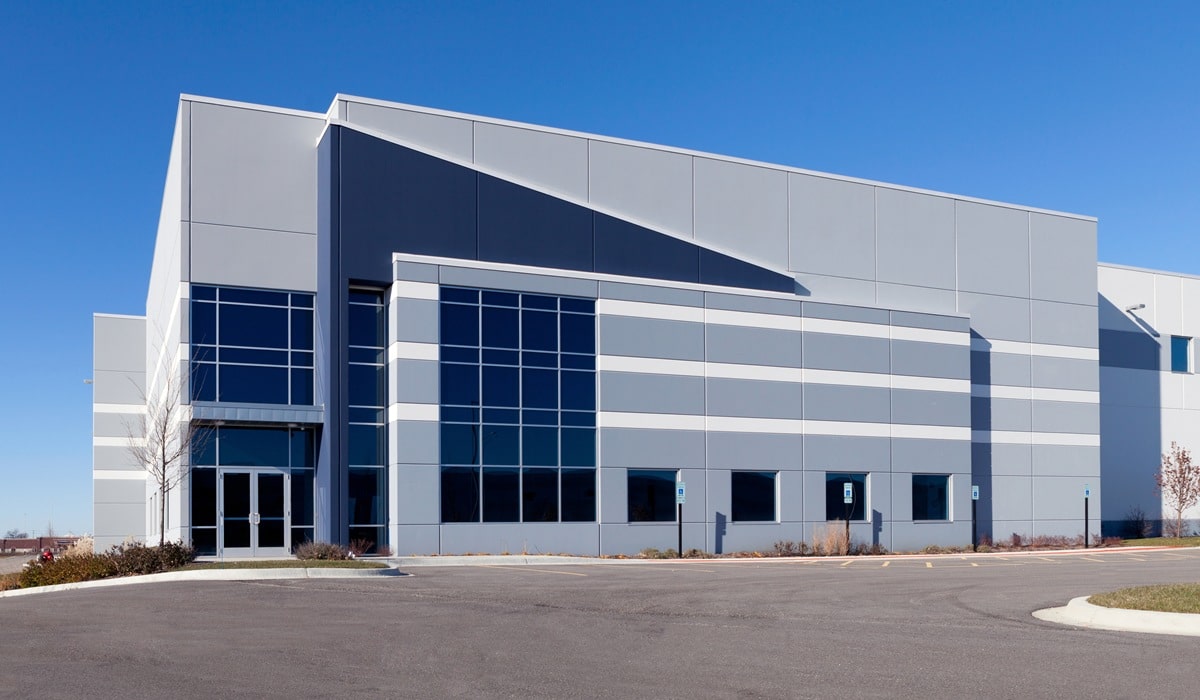
A busy commercial painting shift is anything but simple. Most of the time is consumed by prep and safety. Specialized products require precision. Scheduling pressures dictate overnight work. And hidden costs can arise when least expected.
But with the right professional partner, these challenges become manageable. DN Contracting’s team ensures that every shift — from prep to final inspection — is structured for safety, durability, and value.
If your facility in Annapolis, MD is due for a fresh look, don’t wait until surprises disrupt your budget. Contact DN Contracting today to schedule a consultation and discover how a professional team manages every detail of a commercial paint job.