Commercial painting might sound simple at first glance. Walls, ceilings, floors—paint it all, call it done. But if you’ve ever managed a facility, you know it’s rarely that easy. One small misstep, and what should have been a smooth, short project turns into delayed timelines, frustrated staff, lost revenue, and endless follow-ups.
I’m writing this as the owner of DN Contracting, not as a marketer. I’ve walked countless commercial job sites across Baltimore City, MD, seen minor issues snowball into major disruptions, and experienced firsthand how commercial painting problems quietly sabotage projects.
This guide breaks down the most common pitfalls, why they happen, and how professional commercial painting prevents them before they escalate. Each section stands on its own because any one of these issues can derail a project by itself.
Why Commercial Painting Problems Are More Expensive Than You Think
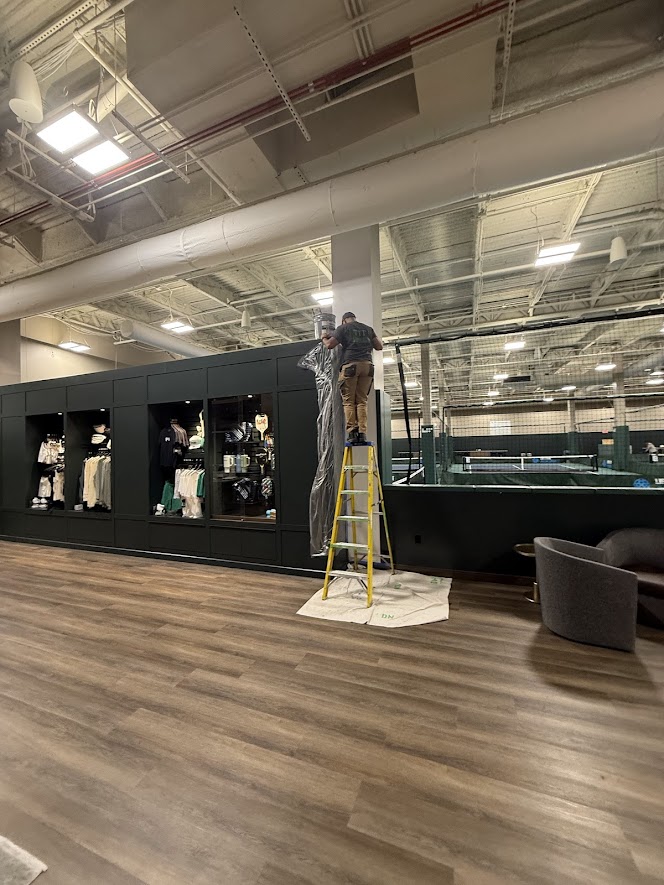
Many property owners think, “It’s just paint—how hard can it be?” That assumption is often the first mistake.
Commercial projects are far more complex than residential work. Walls and floors don’t just need coverage—they need durability. Paint interacts with building materials, foot traffic, cleaning chemicals, and environmental factors. A delay or a failure isn’t just a cosmetic issue; it affects safety, compliance, workflow, and sometimes revenue.
In bustling areas like Baltimore City, MD, commercial properties operate on tight schedules. When commercial painting problems arise, the ripple effects are immediate. Employees may need to work around ladders and scaffolds. Customers encounter unfinished spaces. Even small mistakes in planning or execution can turn into costly disruptions.
Poor Surface Preparation: The Root Cause of Most Commercial Painting Problems
If I had to name the single most common cause of commercial painting problems, it would be poor surface preparations.
Why Skipping Prep Fails Jobs
Commercial surfaces take a beating. They endure heavy traffic, moisture, oil residue, cleaning chemicals, and dust. Skipping proper cleaning, sanding, and priming guarantees that even the best paint will fail prematurely.
I’ve walked job sites where freshly painted walls started peeling in months because someone skipped degreasing metal doors or pressure-washing masonry. It’s never the paint’s fault—it’s the prep.
How Professionals Fix It
Experienced commercial painting crews treat prep as a critical part of the job. At DN Contracting, we spend more time preparing surfaces than applying paint. Every crack is filled, every rough spot sanded, and every surface cleaned. This upfront investment ensures your paint lasts longer, looks better, and prevents costly touch-ups down the line.
Unrealistic Scheduling: A Major Culprit
Even with perfect paint and surfaces, poor scheduling can turn a project upside down. Many contractors underestimate dry times, ignore cure periods before reopening spaces, or fail to account for weather when working outdoors.
In Baltimore City, MD, humidity and seasonal temperature swings alone can push timelines off track. A project scheduled for two weeks can stretch into a month if timing isn’t calculated correctly.
When commercial painting problems are caused by scheduling, the cost isn’t only labor—it’s operational disruption. Employees navigate around wet floors, customers see half-finished spaces, and inspections or other trades are forced to reschedule.
Using the Wrong Paint System
Paint isn’t one-size-fits-all. Applying the wrong coating is a subtle but common commercial painting problem.
For example, interior wall paint may be applied in high-moisture restrooms, or standard coatings might be used in high-traffic corridors. Exterior paint may not be rated for freeze-thaw cycles common in Maryland. All of these choices seem minor but can dramatically reduce lifespan and performance.
Professional commercial painting is about more than color. It’s about understanding substrate, environment, and building use. At DN Contracting, we match paint to the exact needs of your space, ensuring durability, safety, and aesthetic appeal.
Business Disruption During Active Painting Projects
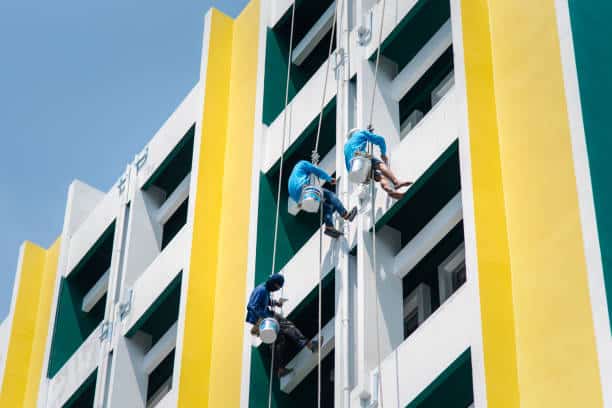
One of the most frustrating commercial painting problems isn’t technical—it’s operational.
I’ve seen offices where staff had to work around ladders, retail stores with blocked aisles, and healthcare facilities navigating strong paint odors. It’s disruptive, uncomfortable, and avoidable. Most of the time, this happens because the painting work wasn’t phased properly or scheduled around business operations.
At DN Contracting, we plan every step to minimize disruption. Crews work in sections, often after hours or on weekends when needed. We use dust containment systems, noise mitigation, and clear communication with your staff. The result? Your business keeps running while we complete the painting efficiently and safely.
Safety and OSHA Compliance Oversights
Nothing stops a project faster than a safety violation. Ignoring regulations can immediately shut down work.
Commercial jobs must comply with OSHA standards, especially when working at height, in confined spaces, or around employees. The Commercial OSHA Painting standards exist to protect workers and occupants alike. Skipping these requirements risks work stoppages, fines, and liability exposure.
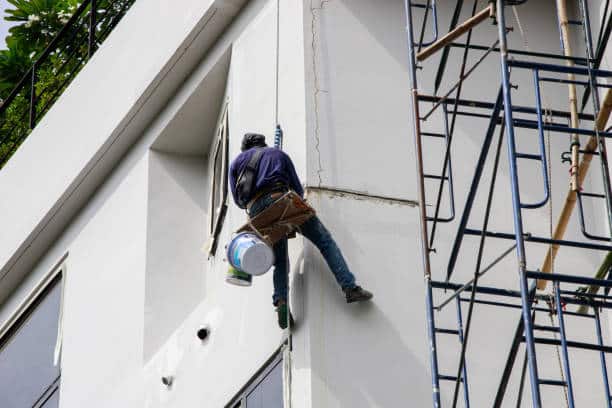
At DN Contracting, safety planning is built into every project. Hazard assessments, fall protection, proper ventilation, and containment are non-negotiable. Hiring a professional team isn’t just about aesthetics—it’s about protecting everyone onsite and ensuring your project continues without interruption.
Communication Failures That Cause Delays
Not all commercial painting problems are technical. Many come from poor communication.
I’ve seen projects delayed because of unclear scope definitions, verbal change orders, assumptions about access, or no designated contact for questions. Small misunderstandings often snowball into costly problems.
Professional commercial painting requires transparency. At DN Contracting, we assign a single point of contact, provide clear updates, and make sure everyone knows what’s happening and when. In Baltimore City, MD, where buildings often stay active during painting, communication prevents disruption and keeps timelines on track.
Overlooking Specialty Coatings and Functional Finishes
Many commercial spaces need more than walls and ceilings. High-traffic areas, utility spaces, and entryways often require specialty coatings. Ignoring this is a common commercial painting problem.
For example, service corridors may need epoxy or urethane coatings, public areas may require slip-resistant finishes, and visible spaces can benefit from decorative floor coatings for durability and aesthetics. These coatings are functional, not just decorative—they reduce maintenance costs, improve safety, and extend the life of your surfaces.
At DN Contracting, we evaluate each space individually and recommend the coatings and finishes that meet real-world demands.
Why Local Experience in Baltimore City, MD Matters
Every region has its quirks. In Baltimore City, MD, the weather, humidity, and local building codes can affect how paint performs. Contractors unfamiliar with the area often miscalculate drying times, fail to account for seasonal changes, or overlook inspection requirements.
Local experience matters. At DN Contracting, we understand Baltimore City’s conditions, building materials, and operational challenges. That knowledge allows us to plan smarter, prep better, and deliver results that last.
How DN Contracting Prevents Commercial Painting Problems
At DN Contracting, we prevent commercial painting problems before they appear. Every project starts with a detailed inspection, realistic scheduling, and surface-specific coating recommendations. OSHA-compliant safety measures and clear communication are built into every step.
Years of experience in Baltimore City, MD have taught us one thing: preventing problems is always cheaper than fixing them later. Proper prep, phasing, product selection, and proactive planning keep projects on schedule, on budget, and disruption-free.
Protect Your Property and Operations
Commercial painting should enhance your property, not disrupt it. Most delays and problems are preventable with the right preparation, product selection, and expertise.
If you’re planning a commercial painting project in Baltimore City, MD, think ahead. Ask the right questions, choose experienced professionals, and treat your facility like the business asset it is.
With the right team, your project can be smooth, fast, and stress-free. That’s what DN Contracting delivers—painting that protects your investment and keeps your operations running.