When it’s time to paint your building, one of the first questions you might ask is: what’s the difference between commercial and residential painting? It’s a fair question, especially when hiring professional commercial painters who specialize in large-scale projects. Understanding the differences between commercial vs residential painting can help you make smarter decisions for your property, budget, and timeline.
Key Takeaways:
- Commercial painting typically involves larger buildings and more complex logistics.
- Residential painting focuses on homes and often includes more personal touches.
- Professional commercial painters are equipped for high-traffic areas and tighter schedules.
- Cost, materials, and skill requirements vary between the two.
- Knowing which service you need can save time and money.
What is Commercial Painting?
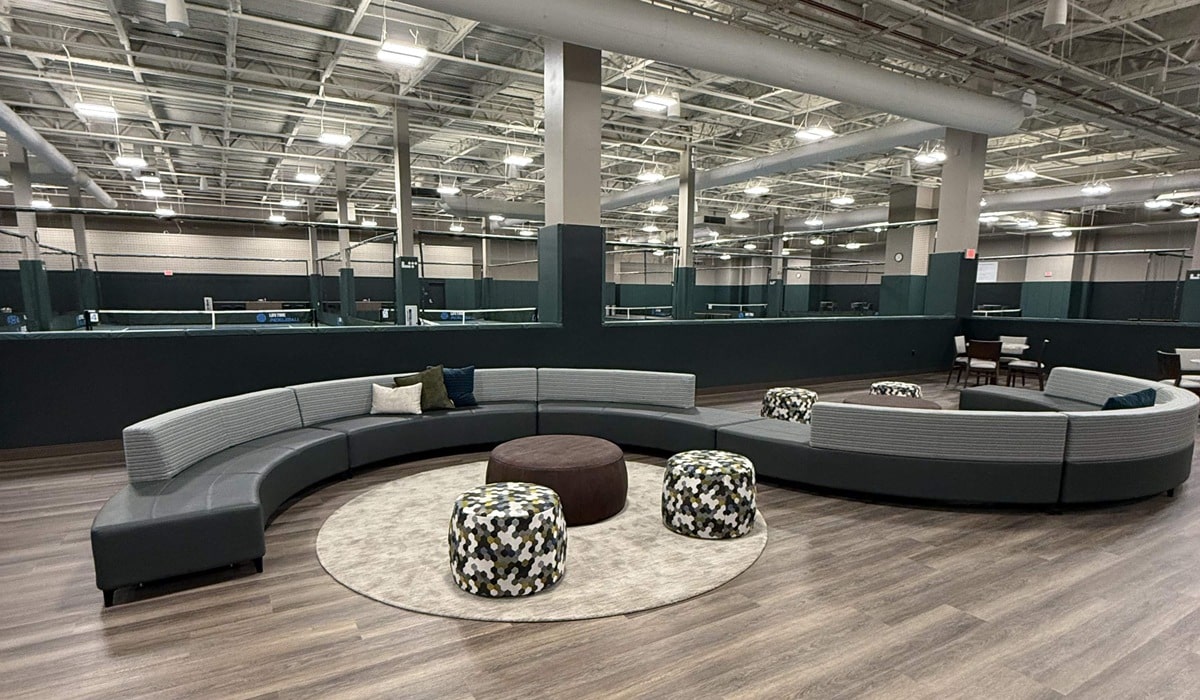
Commercial painting refers to painting services performed in business environments—office buildings, warehouses, retail stores, schools, and industrial properties. These projects usually require a crew of professional commercial painters who can work efficiently, often outside standard business hours.
Characteristics of Commercial Painting:
- Scale and Size: Projects are usually large in scope, often covering entire buildings or multi-unit complexes.
- Special Equipment: Lifts, scaffolding, and industrial-grade tools are common to access high or hard-to-reach areas safely and efficiently.
- Durability Requirements: Paint must endure heavy traffic, harsh weather, and frequent cleaning, requiring tougher materials.
- Tight Timelines: Business operations can’t be disrupted for long, so projects are completed on strict schedules with efficient teams.
What is Residential Painting?
Residential painting focuses on homes, apartments, condos, and similar living spaces. This kind of work emphasizes attention to detail, aesthetics, and customer satisfaction on a more personal level.
Characteristics of Residential Painting:
- Personalization: Colors, finishes, and design choices are tailored to homeowner preferences, allowing for a more intimate and customized experience.
- Smaller Scale: Projects often involve fewer workers and less equipment, making them easier to manage and more budget-friendly.
- Customer Interaction: Homeowners are often involved in every step, from color selection to final walkthrough, ensuring satisfaction.
- Flexible Schedules: Work can be spread out over several days or weeks, providing convenience and minimal disruption to daily life.
Commercial vs Residential Painting: How Do They Compare?
When looking at commercial vs residential painting, several differences stand out:
| Feature | Commercial Painting | Residential Painting |
|---|---|---|
| Scope | Large buildings | Individual homes |
| Equipment | Industrial-grade | Standard tools |
| Team Size | Larger crews | Smaller teams |
| Schedule | Off-hours, fast-paced | Flexible timelines |
| Paint Type | Durable, low-maintenance | Aesthetic focus |
Why It Matters for Business Owners
If you’re a business owner, hiring professional commercial painters ensures your building meets safety codes, withstands wear-and-tear, and reflects a polished image. Cutting corners with residential painters for a commercial job could lead to costly mistakes and longer downtimes.
What to Look for in a Commercial Painter
Choosing the right commercial painter can significantly impact the outcome of your project. Here are key qualities to look for:
- Licensing and Insurance: Ensure the painter is fully licensed and insured to protect yourself from liability and guarantee industry-standard practices.
- Experience with Similar Projects: Look for a track record of successfully completed commercial jobs, especially those similar in scale and complexity to yours.
- Ability to Work Around Business Hours: Flexibility is crucial. The painter should be willing to work nights or weekends to avoid interrupting your business operations.
- Knowledge of Commercial Paint Products: A good commercial painter understands which paints and finishes will hold up best under specific conditions, including heavy foot traffic and exposure to the elements.
- References from Other Businesses: Ask for testimonials or case studies from past commercial clients. Positive feedback from other businesses is a strong indicator of reliability and quality.
Benefits of Hiring a Specialist for Each Type
Hiring a painter who specializes in your specific type of project ensures you get the best results. Commercial painters bring the skills and tools required to handle large buildings, navigate complex regulations, and meet strict deadlines.
Meanwhile, residential painters are experts at creating beautiful, personalized spaces with a high level of detail and care. Using the right specialist can mean the difference between a smooth, successful project and one full of delays and rework.
Common Mistakes to Avoid When Choosing a Painter
Avoiding common pitfalls can save you time, money, and frustration. Don’t assume all painters can handle both residential and commercial jobs interchangeably. Failing to check references or verify credentials can also lead to poor results.
Another mistake is focusing solely on price—choosing the cheapest option might cost more in the long run if quality suffers. Always prioritize experience, reliability, and fit for your specific needs.
Final Thoughts
Understanding the core differences between commercial vs residential painting empowers you to make the right call. When you hire professional commercial painters, you’re investing in quality, efficiency, and long-term value. Make sure your property reflects your business’s professionalism.
Need expert help with your next painting project? Call DN Contracting at 443-291-2515 today. Our experienced team of professional commercial painters is ready to bring new life to your business space—on time and on budget.