Hotel floors work harder than most people realize. From rolling luggage and constant foot traffic to cleaning chemicals, moisture, and furniture movement, the wear is relentless. At the same time, those floors are part of the guest experience. They need to look intentional, clean, and upscale, not patched together or tired.
That is why decorative floor coatings have become a preferred flooring solution for hotels that want durability without sacrificing appearance.
As a commercial contractor, I have seen firsthand how the right floor system can reduce maintenance calls, extend renovation cycles, and quietly elevate how a space feels the moment a guest walks in. When designed correctly and paired with commercial epoxy floors, decorative floor coatings solve multiple problems at once.
This article breaks down the seven most powerful benefits of decorative floor coatings for hotels, based on real-world performance in hospitality environments.
What Are Decorative Floor Coatings?
Composition and Types
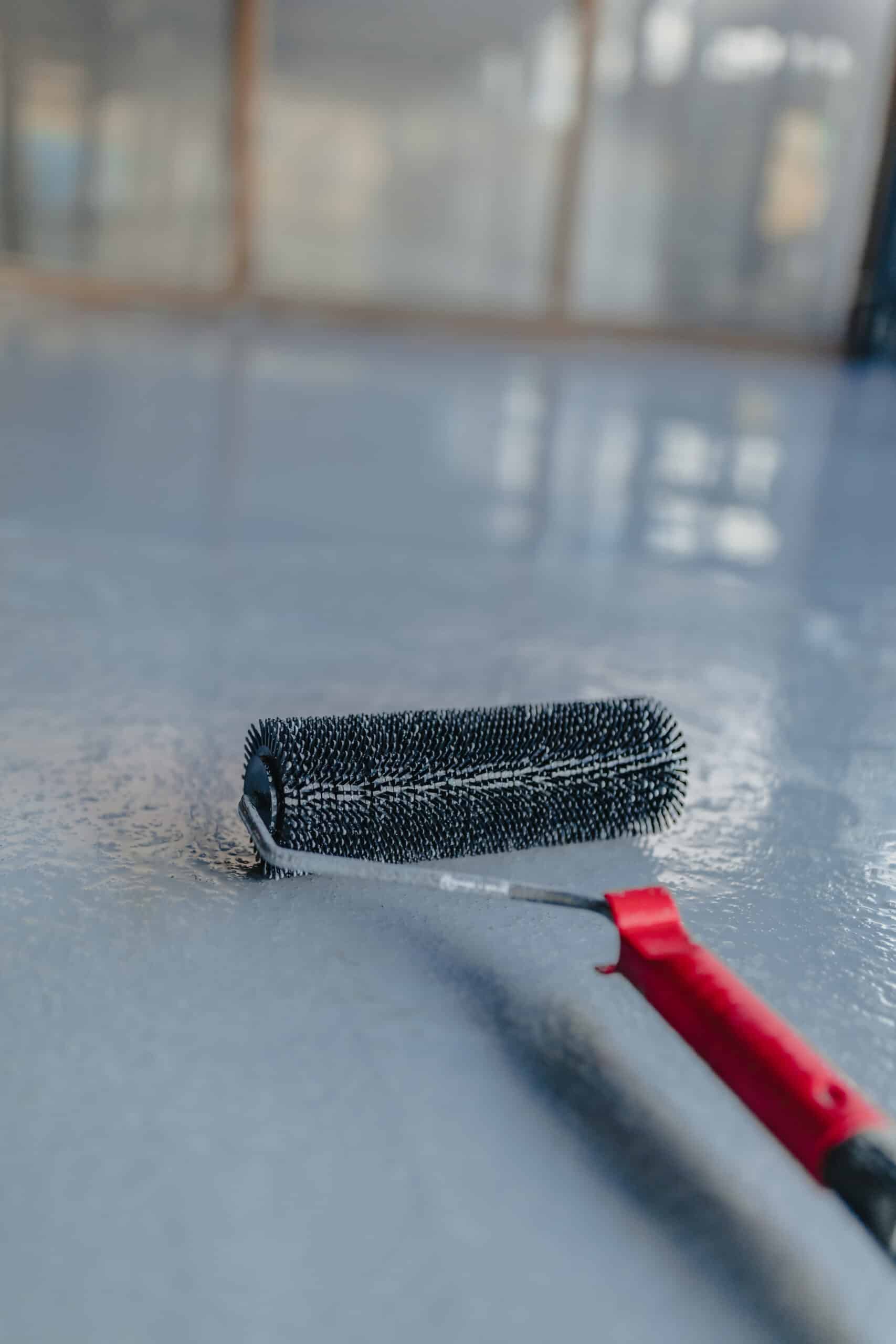
At a technical level, decorative floor coatings are engineered, multi-layer systems designed to protect concrete while improving appearance. These systems often include epoxy, polyurethane, or oil-based floor coatings, depending on performance needs.
In hotel settings, most installations are built as layered assemblies. A primer bonds to the concrete. A base coat provides thickness and strength. Decorative elements add visual depth. A topcoat seals the system for wear, chemical resistance, and slip control.
How They Differ from Standard Paints
Standard hotel floor paint is thin, porous, and short-lived. Decorative floor coatings have a much higher solids content, allowing them to self-level and cure into a dense, durable surface.
This difference matters. Thicker coatings resist abrasion, handle cleaning chemicals, and maintain appearance under constant use far better than paint ever could.
Common Application Areas in Hotels
Hotels commonly use decorative floor coatings in lobbies, corridors, banquet halls, kitchens, service hallways, loading areas, and staff-only zones. Anywhere traffic is heavy and downtime is expensive, these systems perform.
Benefit #1: Exceptional Durability in High-Traffic Areas
Withstands Heavy Foot Traffic
Hotels never really close. Guests, staff, carts, and equipment move across the floors all day and night. Decorative floor coatings are built to withstand this kind of continuous movement without breaking down.
Longevity Compared to Standard Paint
Where paint may fail within a year or two, properly installed decorative floor coatings last many years before recoating is needed. That longevity alone justifies the investment for most hotel owners.
Benefit #2: Resistance to Chemicals and Stains
Spills From Food, Beverages, and Cleaning Agents
Banquet halls, bars, and kitchens expose floors to acids, alcohols, oils, and sanitizers. Decorative floor coatings resist staining and chemical damage that would permanently discolor untreated concrete or paint.
Reduced Staining and Discoloration
Because these coatings are non-porous, spills remain on the surface. That means faster cleanup, fewer stains, and a consistently professional appearance.
Benefit #3: Enhanced Aesthetic Appeal
Custom Colors and Patterns
One of the most overlooked advantages of decorative floor coatings is design flexibility. Colors, aggregates, metallic finishes, and subtle textures allow hotels to align floors with brand identity and interior design goals.
If you are exploring how flooring ties into broader design direction, understanding color trends can help guide smarter choices for public spaces.
Improving Guest Experience
Guests may not comment on floors directly, but they absolutely notice when a space feels polished. Decorative floor coatings contribute to that perception by delivering seamless, intentional surfaces that look clean and modern.
Benefit #4: Anti-Slip and Safety Advantages
Slip-Resistance in High-Risk Areas
Wet lobbies, pool entrances, kitchens, and service corridors are common accident zones. Decorative floor coatings can be formulated with anti-slip additives that increase traction without creating a rough or unattractive surface.
Compliance With Safety Standards
When installed professionally, these systems support ADA and local safety requirements. Traction levels can be adjusted based on location and risk exposure.
Benefit #5: Ease of Cleaning and Maintenance
Smooth, Non-Porous Surfaces
Daily cleaning matters in hospitality. Decorative floor coatings simplify sweeping and mopping by eliminating grout lines, seams, and porous surfaces where dirt and bacteria hide.
Long-Term Operational Cost Savings
Over time, reduced labor, fewer specialty cleaners, and less frequent repairs translate into real operational savings. Floors stay cleaner longer with less effort.
Benefit #6: Quick Turnaround and Reduced Downtime

Efficient Application Techniques
Modern decorative floor coatings are designed for commercial schedules. Fast-curing primers and topcoats allow spaces to return to service quickly.
Minimizing Guest Disruption
Work can often be phased or scheduled during low-occupancy periods, reducing impact on guests and revenue.
Benefit #7: Long-Term Cost-Effectiveness and Sustainability
Extended Lifespan Reduces Replacement Costs
Replacing flooring in a hotel is disruptive and expensive. Decorative floor coatings extend renovation cycles by protecting the concrete slab underneath.
Environmental Considerations
Many systems now meet low-VOC requirements and align with EPA standards for paints, coatings, floorings and other solvents, supporting sustainability initiatives without compromising performance.
Common Concerns About Decorative Floor Coatings
Safety and VOC Emissions
Proper product selection and ventilation address indoor air quality concerns. Professional installers account for occupancy and curing conditions.
Surface Preparation Requirements
Long-term success depends on preparation. Cleaning, moisture testing, grinding, and priming are essential steps that should never be skipped.
Durability and Wear in High-Use Areas
When designed correctly, decorative floor coatings perform exceptionally well even in 24-hour environments.
Decorative Floor Coatings vs Other Flooring Options
Comparison With Standard Paint
Paint is inexpensive upfront but costly over time. Decorative floor coatings deliver far better durability, appearance, and maintenance value.
Comparison With Epoxy or Polyurethane Floors
While epoxy provides strength, decorative systems add visual depth and customization. When paired with commercial epoxy floors, hotels get both performance and design flexibility.
Decorative Floor Coatings for Hotels in Baltimore, MD
Hotels in Baltimore, MD experience heavy year-round traffic from tourism, conventions, and business travel. Floors must hold up under constant use while maintaining visual appeal in competitive hospitality markets.
That combination makes decorative floor coatings an ideal solution for properties throughout the region.
Why Hotels Invest in Decorative Floor Coatings

From durability and safety to aesthetics and cost control, decorative floor coatings deliver measurable benefits for hotels.
They reduce maintenance headaches, protect concrete assets, and help create spaces that feel intentional and well cared for.
Every hotel is different. Traffic patterns, brand standards, cleaning protocols, and guest expectations all matter.
A professional consultation ensures decorative floor coatings are specified correctly, installed properly, and designed to perform long-term.
At DN Contracting, we help hotel owners choose flooring systems that work in the real world, not just on paper.