Modern commercial structures rely on intelligent protection systems—and intumescent coatings are among the most critical. These advanced fire-resistant coatings safeguard steel, concrete, and other substrates when exposed to extreme heat, helping buildings maintain their integrity during fire events.
For property managers and developers in Timonium, MD, fire protection isn’t just about code compliance—it’s about protecting investments, lives, and reputations. DN Contracting specializes in commercial intumescent coatings designed for long-term performance, environmental durability, and regulatory precision.
What Are Intumescent Coatings?
Intumescent coatings are a class of high-performance fire-retardant paints that expand when heated, forming an insulating char layer that slows the transfer of heat to structural materials. This swelling reaction provides critical protection during a fire, buying valuable time for occupants to evacuate and for firefighters to respond.
These coatings are commonly applied to:
-
Structural steel beams and columns
-
Architectural steel frameworks
-
Concrete or timber substrates
-
Industrial tanks and pipelines
At ambient temperature, intumescent coatings look like standard paint systems. But when fire strikes—typically around 392°F (200°C)—a chemical reaction releases gases that cause the coating to expand, sometimes up to 50 times its original thickness. This char barrier reduces steel’s temperature rise, maintaining its strength for up to 2–3 hours depending on the system.
Why Intumescent Coatings Are Critical for Commercial Projects
In commercial construction, the failure of unprotected steel can be catastrophic. Steel begins to lose structural strength at around 1,000°F, often within minutes during a severe fire. With intumescent coatings, that timeline is dramatically extended—often enough to prevent collapse entirely.
Key Advantages of Intumescent Coatings
| Feature | Benefit |
|---|---|
| Fire Resistance | Expands to form a char that insulates structural steel. |
| Aesthetic Compatibility | Smooth finish for exposed architectural steel. |
| Lightweight Protection | Adds minimal load compared to traditional cementitious fireproofing. |
| Durability | Resistant to impact, humidity, and corrosion when top-coated. |
| Compliance | Meets ASTM E119, UL 263, and NFPA fire protection standards. |
These advantages make intumescent coatings the preferred choice for mixed-use developments, warehouses, office towers, and retail centers across Timonium, MD and nearby markets.
Types of Intumescent Coatings
Selecting the right intumescent coating depends on the project’s location, substrate, and fire rating goals.
| Type | Base | Common Application | Notes |
|---|---|---|---|
| Water-Based | Acrylic or hybrid | Interior steel, retail, or office environments | Low-VOC, environmentally friendly, and ideal for enclosed spaces. |
| Solvent-Based | Alkyd or epoxy | Outdoor steel, warehouses | Excellent weather resistance and faster curing times. |
| Epoxy-Based | Two-component | Offshore platforms, refineries | Superior chemical and moisture resistance. |
DN Contracting performs detailed specification matching before application to ensure compatibility between primer, intumescent layer, and topcoat. This ensures your commercial intumescent coating delivers maximum fire rating and corrosion control.
How Intumescent Coatings Work
The secret lies in chemistry. When exposed to fire, intumescent coatings undergo an endothermic reaction. A combination of binders, carbon sources, and blowing agents activates, creating a foamed char layer that traps gases and insulates the underlying substrate.
This reaction has three primary stages:
-
Activation: The coating softens and begins to decompose at about 200°C.
-
Expansion: Chemical agents react, releasing gases that cause swelling.
-
Insulation: The expanded char slows heat transfer, keeping steel below its critical temperature for as long as the coating remains intact.
The Application Process
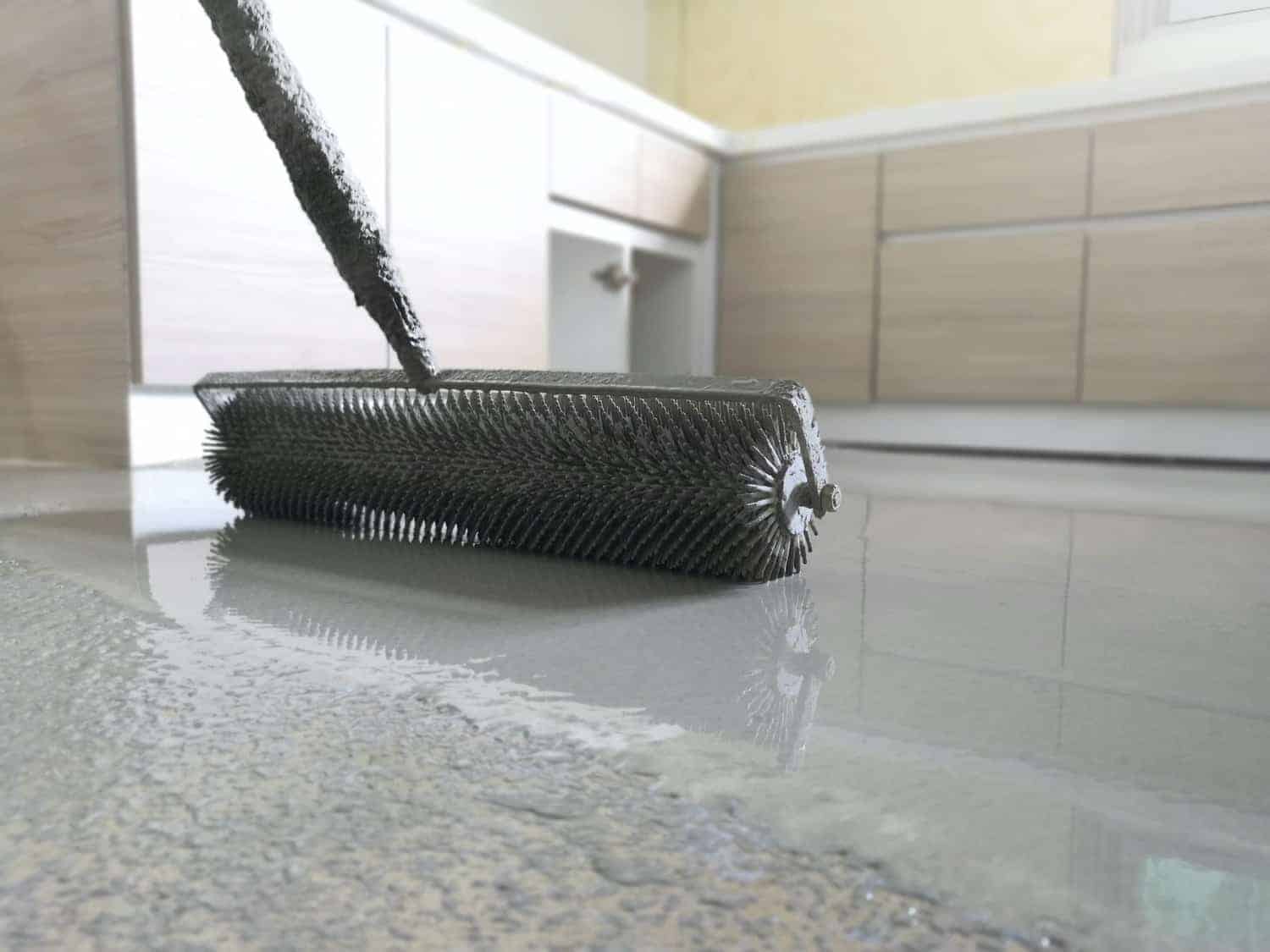
Applying intumescent coatings is a precision-driven process. It requires strict environmental control, correct film thickness, and adherence to manufacturer guidelines. A single misstep—like improper surface prep—can compromise fire protection entirely.
Step 1: Surface Preparation
Surfaces must be free of oil, rust, and mill scale. Most projects require SSPC-SP10 near-white blast cleaning. Clean substrates ensure strong adhesion between the primer and coating layers.
Step 2: Priming
A compatible epoxy or zinc phosphate primer is applied to prevent corrosion. The primer also stabilizes the substrate surface for even coating build-up.
Step 3: Coating Application
The intumescent coating is typically sprayed using airless equipment in multiple passes. Target dry film thickness (DFT) varies depending on required fire resistance:
| Fire Rating | Typical DFT Range |
|---|---|
| 1 Hour | 300–500 microns |
| 2 Hours | 800–1,200 microns |
| 3 Hours | 1,500+ microns |
Technicians use wet film gauges and electronic DFT meters to confirm proper coverage.
Step 4: Topcoat
A durable polyurethane or polysiloxane topcoat seals the system, protecting against UV, abrasion, and humidity—especially important in Timonium’s variable climate.
Comparing Intumescent Coatings with Other Fireproofing Options
| System | Description | Advantages | Disadvantages |
|---|---|---|---|
| Cementitious Fireproofing | Thick plaster-like material | Cost-effective for concealed structures | Heavy, not aesthetic, can crack or absorb moisture. |
| Board Systems | Pre-formed panels bolted to steel | Easy retrofit installation | Visually bulky, limited design flexibility. |
| Intumescent Coatings | Thin, paint-like film that expands under heat | Lightweight, aesthetic, architecturally flexible | Requires precise surface prep and topcoating. |
For modern projects where visual appeal and space optimization matter, intumescent coatings outperform traditional systems.
Integrated Protection for Commercial Buildings
In practice, fire protection systems often overlap with waterproofing, corrosion control, and insulation. DN Contracting routinely integrates commercial intumescent coatings with complementary services such as epoxy floor coatings and elastomeric roof membranes.
For example, just as your flat roof needs liquid coating, not a patch to prevent premature failure, steel structures need full coverage—not spot protection—to perform under stress. A comprehensive coating system ensures both fire and environmental resistance.
Quality Control and Inspection
Proper documentation is crucial. DN Contracting maintains rigorous inspection records during every intumescent coating project, including:
-
Surface profile verification
-
Ambient temperature and humidity logs
-
Wet film and dry film thickness measurements
-
Adhesion and cure testing results
-
Manufacturer batch certifications
These quality checks ensure every square foot meets tested performance standards.
Cost Factors: Understanding Painting Cost in Fireproofing
While intumescent coatings are more complex than standard paints, the painting cost remains competitive when factoring in safety and compliance benefits.
Key variables include:
-
Fire Rating Requirement: Higher ratings require thicker coatings.
-
Structure Geometry: Complex steelwork demands more labor and material.
-
Environmental Conditions: Temperature and humidity affect curing time.
-
Topcoat Type: UV-resistant or chemical-resistant finishes add durability and cost.
On average, intumescent coatings range between $10–$30 per square foot, depending on film thickness and environmental exposure. While upfront costs are higher, the long-term savings from fire prevention, reduced insurance premiums, and compliance far outweigh the initial investment.
| Cost Factor | Influence on Final Price |
|---|---|
| Fire Rating (1–3 Hours) | +25–40% material usage |
| Complex Steel Geometry | +15–25% labor time |
| Harsh Environments | +10–20% for protective topcoats |
| Recoating or Repairs | Variable depending on inspection results |
The right painting cost analysis focuses not just on price per square foot—but on the protection value per year of service life.
Maintenance and Longevity
Like all protective coatings, intumescent systems benefit from scheduled maintenance. DN Contracting recommends inspection every 2–3 years to identify signs of cracking, corrosion, or chalking. Early intervention prevents system failure and avoids costly reapplications.
A recoating may be necessary if topcoat degradation or adhesion loss occurs. This preventive approach extends fire protection and maintains compliance throughout a building’s operational life.
Real-World Performance in Timonium, MD
Commercial environments in Timonium, MD often face fluctuating humidity and winter freeze-thaw cycles that can stress coatings. DN Contracting accounts for these local conditions by selecting formulations tested under similar environments.
We combine advanced application techniques with manufacturer-certified products to ensure your commercial intumescent coatings remain stable, adherent, and compliant—whether in office towers, distribution centers, or manufacturing facilities.
Why Choose DN Contracting
DN Contracting brings precision, documentation, and technical expertise to every intumescent coating project. Our certified applicators are trained in NFPA, UL, and ASTM fireproofing standards. We ensure every layer—from primer to topcoat—meets the performance demands of your structure.
Our comprehensive service doesn’t stop after application. We provide follow-up inspections, touch-up plans, and lifecycle maintenance to guarantee long-term fire resistance and coating integrity.
For complete peace of mind, explore our commercial intumescent coatings service page to learn how we help property owners and contractors safeguard assets from the inside out.
Final Thoughts
In fire protection, every minute matters. Intumescent coatings transform standard steel into a fire-resilient structure capable of withstanding extreme temperatures while maintaining strength.
For business owners and developers in Timonium, MD, working with DN Contracting means partnering with professionals who understand the balance between code compliance, aesthetic design, and performance longevity.
Fire safety isn’t just about meeting regulations—it’s about building confidence that lasts.